Gnostic Philosophy Versus the Authority of God
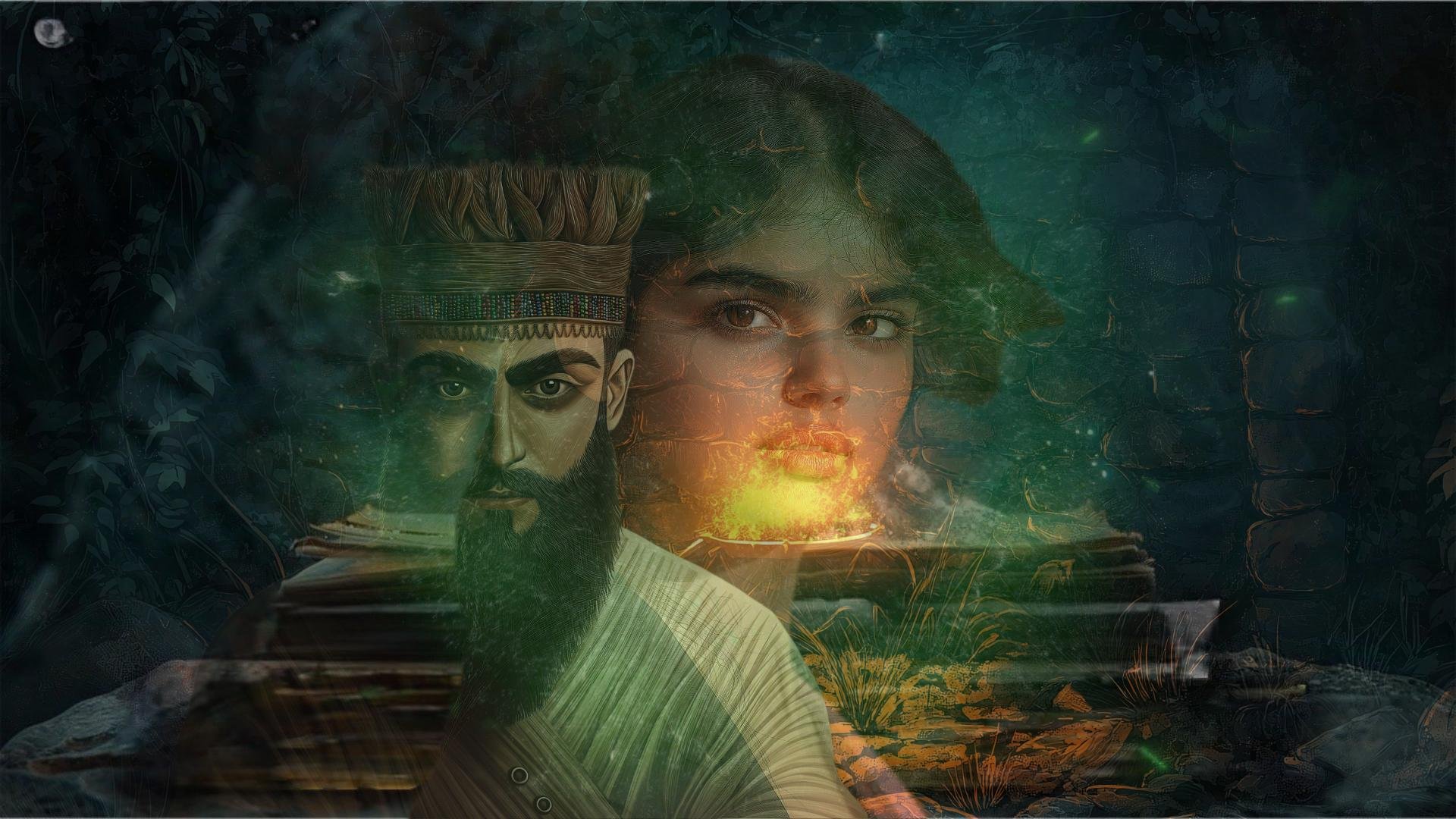
The people of Ophia were taught a Gnostic prayer by Shai-win, their patron of love and mercy. They call upon Shai-win in times of pain and confusion, and recite the prayer to remind themselves that they are not powerless to change their circumstances.
There's no greater divinity
than where it fumbles forward with your fingers
in the fertile dark,
gropes ahead with your light
as its verdant sun,
peers out of your eyes
at its immaculately muddied reflection
The poem highlights one of my saga's core conflicts: personal sovereignty versus relinquishing one's power to any external authority, including even a god figure. To trust our inner nature and guidance is not to deny divinity, but rather to honor the divinity that expresses and discovers itself as us.
Groomed for Authority
Gnosis, derived from the Greek word for knowledge, refers, in the broader sense, to inner knowing, a sense of our personal connection with divinity. It implies trust in self, personal responsibility, and reverence for the environment that surrounds us—that environment being an extension of ourselves.
Monotheistic traditions, which lie always at the heart of the most autocratic societies (mono—auto) usually posit some version of a Sky God and remove any remnants of belief in gods and goddesses of the earth. Imagining such a deity displaces our sense of allegiance to the Earth. We forget that we're meant to be her caretakers and that this is where our primary loyalty should lie.
And because we’re Earth’s children, born and clothed in the materials of her body, the part of nature that reasons, when we lose our sense of allegiance to earth it also erodes our belief in ourselves. It prevents us from owning our power. Then we're much more willing to ignore our inner gnosis and give that power away to an idea of some authority “on high.”
The education we receive growing up teaches us to recognize and identify with only a small portion of our true reality. We’re conditioned to separate our sense of identity from our own creative and spiritual potential.
Mystics, writers, and spiritual teachers give this potential different names. They try to outline its characteristics and boundaries. Once again, this psychic or spiritual terrain is objectified as something outside of ourselves. Native abilities and perceptions are attributed to God, spirit guides, and so on. “It's the archetypal realm,” a psychologist might say. “It's the presence of God,” say the mystics or religious believers.
Many forms of psychotherapy, metaphysics, ethics, and even law fall prey to this limiting picture of human nature. They’re fueled by the same place of ignorance: our ignorance of, or refusal to take personal responsibility for, our reality. It then seems easier to follow the dictates of even a demanding god than to try to catch the vagrant trails of one's own heart. Easier to blame that god than to accept that all obstacles lie within ourselves.
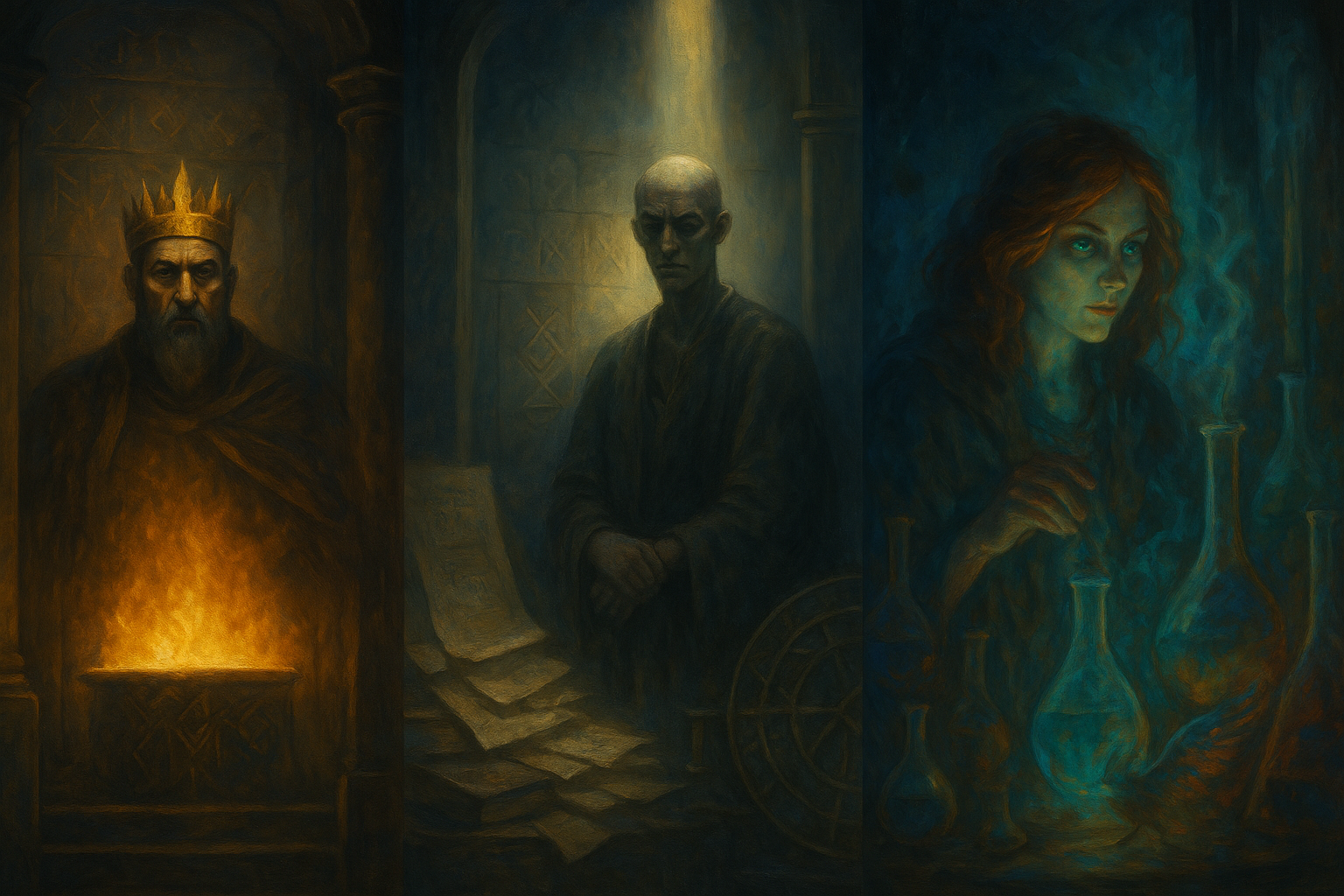
Demons: God’s Shadow
And if this God embodies some kind of unattainable “good” and purity, he must have his adversary, his shadow counterpart. Human history has often been defined by these two cartoonishly black-and-white opposing forces. Thus, many of us have never been encouraged to see the inner self as a friend and ally. Psychologists warn us of our “tainted” unconscious. Religious leaders preach about the devil.
Such beliefs may seem extraneous. But if you believe that demons exist, then this conviction colors your perception of yourself, your fellow human beings, the state of the world, and the universe at large. If some demonic force lives in me, then it must live in you, too...and hell, demons must be responsible for all the havoc in our world, from wars to famine to environmental catastrophe. We're no longer responsible for our own darkness, and if you believe in demons, then only God and His angels or some equivalent benevolent force can oust them, so we thereby must disown our capacity for good as well.
Gnostic philosophy places us in the center of that conflict in a different way: We are the source of what we consider both the good and the ill, the angels and the demons, in our lives.
Spiritual Gaslighting
In “Ophia’s Sister-Soul,” this conflict between an external god of authority and gnostic philosophy is dramatized in “The Seduction of Ildriss Lanore.” Ildriss is a young woman who has been groomed her whole life for the priesthood, her spiritual inclinations used to lure her deeper and deeper into a repressive system.
Ildriss already believes that the word of the Soverign Priest, Jain-Toh, is beyond reproach. “Toh speaks through you, Lord. A pure vessel cannot lead us astray.” Jain seeks to deepen her distrust in her own divinity by first appealing to her innate kindness and desire to be a force for good in the world—a trap that has lured many sensitive souls into the clutches of controlling systems.
Jain: “How many evils are there in this broken Ophia for the will of Toh to redress?”
Ildriss: “They are myriad…countless.”
Jain-Toh: “So now you see what odds beset me. Thousands of needs cry out to my ears, a host of wails from this fallen world, and I with only my two hands. I can manifest only a portion of Toh's great vision alone. Others must be willing to serve. Not just obey, but serve. There must be those to whom I can entrust knowledge and wisdom that would be disastrous for the uninitiated. To be a servant of Toh in this fallen world means one must be prepared to do whatever is necessary to see His word fulfilled.”
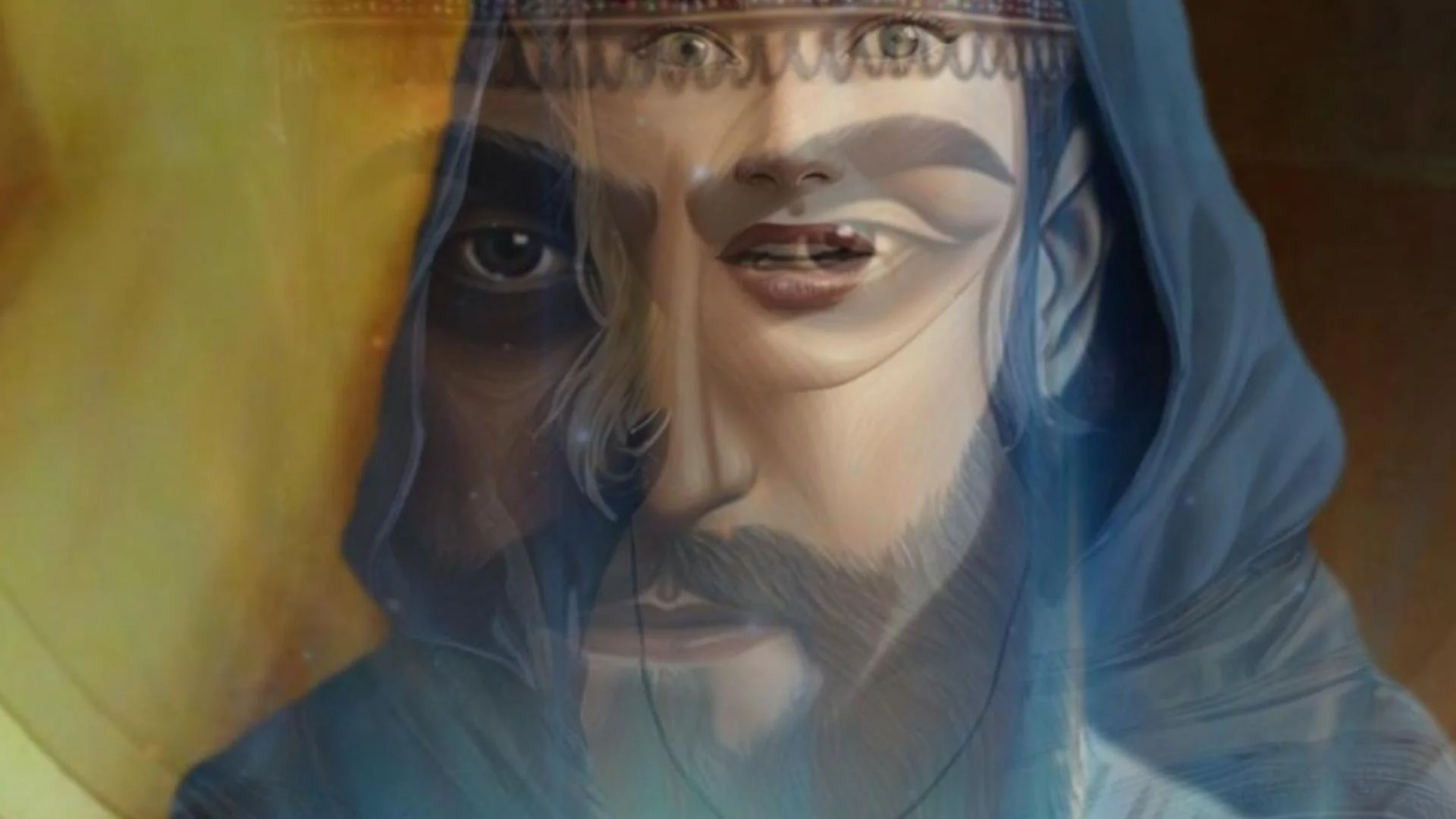
As a servant of Toh, a student of the Sacred Writ, Ildriss’ entire education had railed against her personal desires, calling them at best distractions and at worst abominations, spite and willfulness hurled in the face of her god.
Finally, overwhelmed by the weight of her conditioning and the priest’s manipulations, the young woman capitulates, delivering the words Jain most longed to hear. “I trust you to interpret His word as circumstances necessitate.”
Jain seeks to undermine Ildriss’ inner sense of right and wrong because he knows how crucial self-knowledge is. We can't challenge the inner tyrant unless we know him. Until then, we're bound to repeat those same limiting and destructive beliefs a thousand times a day, nurturing their power over us with our inner monologue and then blaming "the Devil" or "bad karma" or "the evils of society" when those ideas come to fruition—and thanking God-as-Other for all the good wrought from our own hearts and souls
Gnosis: Fascism’s Greatest Threat
Ildriss’ surrender to Jain’s gaslighting underscores how the concept of God-as-Other erodes our sense of personal power. It exposes why monotheism is the preferred religious model for repressive societies and why, in the most successful tyrannical governments, religion and politics ride in the same limousine.
If the god they preach of is immaculate (not “immaculately muddied” like us, who are worthy and lovable even with our quirks and failings) and removed from anything we can see, touch, and hear, then we have to trust a religious authority’s word if we seek to understand and serve this god.
This kind of messaging conditions us to turn to outside authorities in all areas of our lives: Trust a doctor to tell you what’s happening inside your body; trust a psychologist to map out your inner mind; trust a politician to do whatever’s necessary to “keep you safe.”
Religions and governments throughout history have persecuted people of all walks of life in an attempt to destroy paper demons. If you're convinced that demons exist, then you'll likely encounter them—in your nightmares, and in the outer world as "adversaries". That belief, in a sense, creates them. Gnostic philosophy, the belief that we are the authors of our own lives, turns demons—and those who would teach us to fear them—into paper tigers.